The Distance Between a Name and a Calling
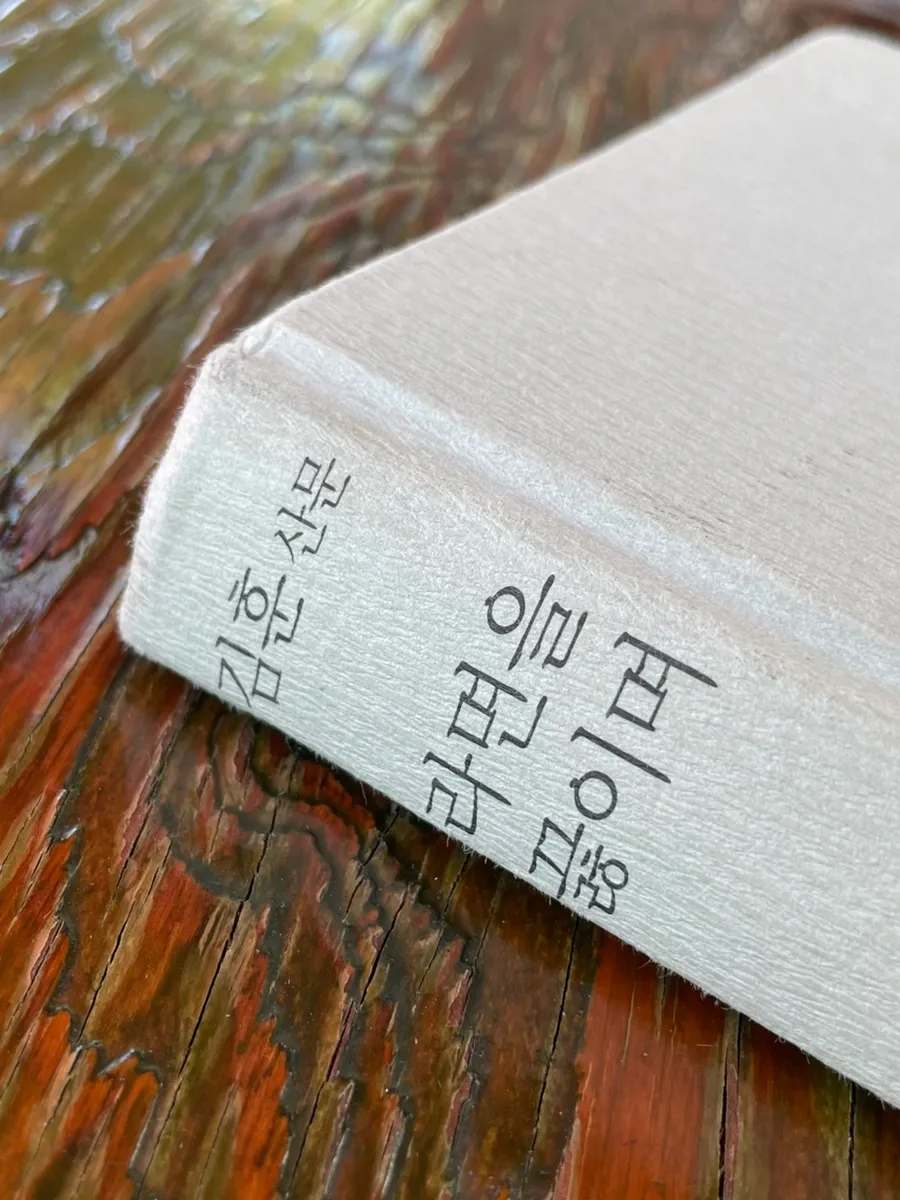
📖 While Boiling Ramyeon_Kim Hoon
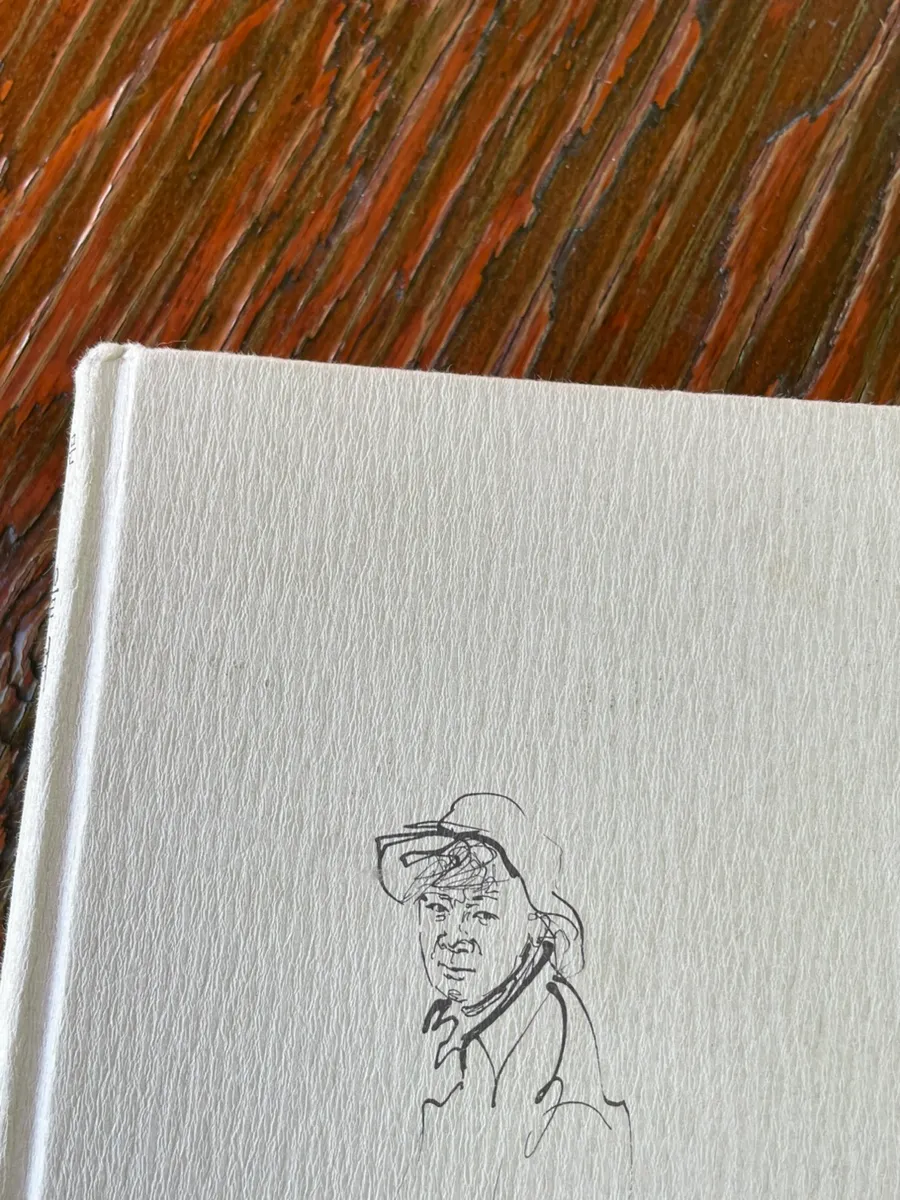
When reading essays by various authors, there’s one writer who is mentioned quite often. A writer praised by authors I admire, Kim Hoon. I haven’t read his famous novels yet, and this essay collection was my first encounter with him. To be honest, there were some expressions that felt a bit uncomfortable. However, considering he was born in 1948, it’s perfectly understandable. Aside from a few expressions stemming from a generational gap, his writing style is remarkably modern and sophisticated, almost defying his age. And, just like the title of the essay collection, it’s savory.
📝 Thoughts and Sentences I Liked
pg.12
On a sweltering summer day, when body and mind are exhausted and languid, if you mix rice with water and place a plump salted shrimp on each spoonful for lunch, your stomach feels at ease, and your soggy mind becomes crisp and dry. Or, if you eat rice mixed with water, dipping well-fermented, crunchy pickled cucumbers (oiji) in gochujang, or thinly slice salted vegetables (jjanji) soaked in brine, float them in cold water, and add vinegar and chili powder, your mind feels clear and refreshed.
pg.33
My younger sisters, too, are now old and no longer cry. Grief, too, erodes with time, so at a graveside 40 years later, the sorrow of separation and absence is no longer sorrowful. It was the other sorrow, the fading of grief itself within time, that was truly sad, as a distant sorrow approached and took the place of a closer one. This sorrow of erosion is inherently such that it cannot be cried over.
Even in the years when my siblings and I no longer cried, people wept at newly made graves. Between those who no longer cried and those who had just begun to weep, the grass shone green every spring.
**
pg.56
Compared to pollack, pufferfish, or three-spot flounder, the face of a flatfish (gajami) is far more logical and understated. When you eat grilled flatfish, you can taste the expression on its face. The taste is not oily, but clean and light. That a fish holding deep inner secrets possesses such a logical expression and taste feels like an even deeper secret.
pg.71
Earning a living is hard, but swallowing the food you’ve earned is no less difficult. On a morning after too much drink, with a splitting headache and an upset stomach, facing steaming rice to go out into the streets again, the sorrow of the meal reaches its peak. You must swallow this to earn it again, but your stomach burns, making it impossible to swallow. If I must push my body to the point where I cannot swallow this, just to earn it, then why on earth must I earn this so desperately? So what is to be done about this? There is no solution.
pg.139
When my daughter handed me the phone she bought with her first paycheck, she was proud of her labor and wages, and intertwined with that pride was the shyness of youth. At that moment, I felt relieved by this endless cycle of mundane life.
Like me, she will live a difficult life, eating only as a reward for her labor. How sacred is the everydayness of this life, which continues mundanely, bit by bit? Even if there is no ecstatic happiness or joy within this mundane everydayness, how earnest is this repeated cycle and repetition? I wished for this safe daily cycle to continue until the day I die, and decided to make that my entire happiness.
pg.223
All things unreachable, we call love. All things unholdable, we call love. All things untouchable and uncalled, we call love. All things uncrossable and all things unapproachable, we insist on calling love.
pg.225
Opening the notepad for ‘love,’ I found the word ‘you’ written there. I don’t remember when I wrote it. Below ‘you,’ there was also a scribble: ‘Are you second person or third person?’ The word ‘vein’ was also written. When I combined ‘you’ and ‘vein’ to write ‘your vein,’ I recalled the memory of my whole body losing strength, utterly exhausted. Below the word ‘name,’ it also said, ‘What is the distance between a name and a calling?’
**
pg.269
That is how a melody floats upon time. It floats, sways, and flows. When the melody sways, the world sways, and holes are pierced through the ironclad rigidity of this world. And within that swaying, the human playing the instrument is alive. A world that never existed suddenly appears within time.
pg.276
My philandering friend, who loves to love women, said, “Romance is nothing but the rubbing of flesh.” I couldn’t refute his words. Ah, I thought, did I wander so much because I didn’t know something so simple?
pg.376
The autumn wind not only brushes past the world to draw out sounds, but also brushes past the human body to draw out sounds hidden within it. That sound, too, is wind. Thus, the human breath, playing a wind instrument with the wind inside the body, feels even more distinct on an autumn day.
pg.410
I mistakenly believed I could write things that were unwriteable and prattled on about futile matters. Even things I wrote with earnestness all faded away, swept by time, and what I truly wanted to say always lay beyond words. Profound words, perhaps, are born where they escape the confines of language.